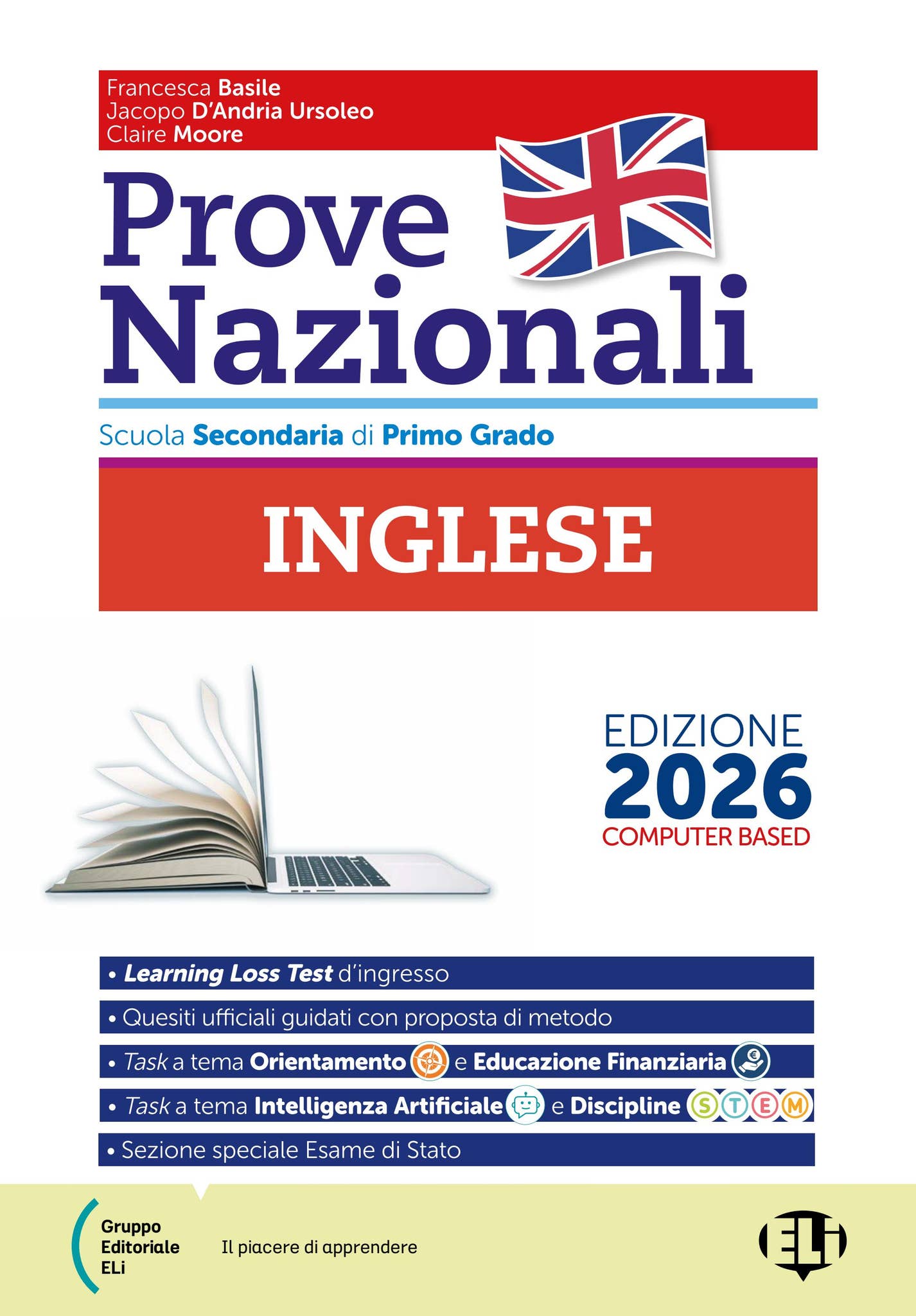
Prove INVALSI English 2026: Your Definitive Guide to National Language Assessments
The Italian national education system relies on the INVALSI tests to gauge student learning levels across various subjects, providing invaluable data for both individual schools and the Ministry of Education. Among these, the English language component has grown significantly in importance, reflecting the global need for strong English proficiency. For students, educators, and parents looking ahead to the academic year, understanding and preparing for the Prove INVALSI English 2026 is not just recommended, it's essential. This comprehensive guide will walk you through what to expect, why these tests matter, and how to set yourself up for success. The INVALSI tests, administered annually, are standardized assessments designed to measure the learning outcomes of students at different stages of their educational journey. While Italian and Mathematics have historically been central, English has firmly established its place as a crucial subject, aligning with the Common European Framework of Reference for Languages (CEFR). As we approach 2026, anticipating the structure and demands of these English tests allows for proactive and effective preparation, transforming potential stress into a strategic advantage.What Exactly Are the Prove INVALSI English Tests?
The Prove INVALSI English tests are national assessments evaluating students' proficiency in the English language. Unlike traditional school exams that might focus on specific curriculum units, INVALSI tests aim to assess broader language competencies, often aligned with CEFR levels. These tests are administered at key points in a student's academic career:- Primary School (Scuola Primaria): Typically in Grade 5 (Quinta Primaria), assessing CEFR A1 or A2 levels. The focus is on basic comprehension and vocabulary.
- Lower Secondary School (Scuola Secondaria di Primo Grado): Usually in Grade 3 (Terza Media), assessing CEFR A2 or B1 levels. This stage introduces more complex texts and listening scenarios.
- Upper Secondary School (Scuola Secondaria di Secondo Grado): In Grade 2 (Secondo Anno) and Grade 5 (Quinto Anno), assessing CEFR B1, B2, or even C1 levels for the final year. These tests demand a higher level of critical thinking, inference, and advanced language skills.
- Listening Comprehension: Students listen to audio passages (dialogues, monologues, announcements) and answer multiple-choice questions based on the content. This tests their ability to extract main ideas, specific details, and infer meaning.
- Reading Comprehension: Students read various types of texts (articles, stories, advertisements, emails) and answer multiple-choice questions. This assesses their understanding of explicit information, implicit meanings, vocabulary in context, and text structure.
Why Prove INVALSI English 2026 Matters: The Road Ahead
Looking specifically at the Prove INVALSI English 2026 highlights the importance of forward planning. For students, this isn't just another test; it's a significant marker of their language development. For schools, it's an opportunity to evaluate the efficacy of their English language programs and to make informed decisions about curriculum enhancements. The 2026 tests will continue to build upon previous years' formats, meaning consistency in preparation is key. Knowing the year allows students and educators to:- Implement Long-Term Preparation Strategies: Rather than last-minute cramming, students can develop a sustained approach to improving their English skills over several academic years. This fosters genuine language acquisition, not just test-taking tricks.
- Align Curriculum with Test Demands: Schools can use the structure of INVALSI English tests to refine their teaching methodologies, ensuring that students are exposed to the types of texts, audio, and question formats they will encounter.
- Track Progress Systematically: By understanding the CEFR levels assessed at each grade, students can set clear goals for their language learning journey, using the INVALSI framework as a benchmark for their progress.
- Foster a Culture of English Proficiency: Emphasizing the 2026 tests early on encourages a school-wide commitment to enhancing English language skills, recognizing its crucial role in future academic and professional success.
Strategies for Excelling in Prove INVALSI English 2026
Success in the Prove INVALSI English 2026 requires more than just knowing English; it demands strategic preparation. Here are some actionable tips:1. Understand the CEFR Levels
Familiarize yourself with the Common European Framework of Reference for Languages (CEFR) levels (A1, A2, B1, B2, C1). Understand what each level entails in terms of reading, listening, speaking, and writing abilities. This will help you identify your current level and what you need to achieve for the specific INVALSI test you'll be taking.
2. Consistent Exposure to English
Language learning is a marathon, not a sprint. Regularly expose yourself to English through:
- Reading: Beyond textbooks, read English books, articles, news, and blogs that interest you. Start with simpler texts and gradually move to more complex ones.
- Listening: Watch English movies and TV shows (with or without subtitles), listen to English podcasts, music, and news. Pay attention to different accents and speaking speeds.
- Speaking & Writing (even if not directly tested): Practice speaking English with friends, teachers, or language exchange partners. Even short daily writing exercises (like journaling or composing emails) can improve your vocabulary and grammar, which implicitly aids comprehension.
3. Practice with INVALSI-Style Materials
Familiarize yourself with the test format and question types. Utilize official past INVALSI papers or reputable preparation books. This helps you understand time management and reduces anxiety on test day. Many publishers, like Zanichelli, offer excellent resources. You might find valuable insights in Zanichelli's Complete Guide to INVALSI Italian Preparation, which, while focused on Italian, offers similar strategic approaches to test preparation.
4. Build Vocabulary Systematically
A strong vocabulary is fundamental. Don't just memorize lists; learn words in context. Use flashcards, vocabulary apps, and keep a notebook for new words and phrases. Pay attention to collocations and idioms.
5. Master Test-Taking Techniques
- Read Instructions Carefully: Always ensure you understand what each section requires.
- Manage Your Time: Practice completing sections within allocated time limits.
- Eliminate Wrong Answers: For multiple-choice questions, rule out obviously incorrect options first.
- Don't Dwell Too Long: If you're stuck, make an educated guess and move on. You can always return if time permits.
- Practice Active Listening/Reading: Don't just passively consume content. Ask yourself questions as you listen or read: What's the main idea? Who is speaking? What's the relationship between ideas?
Key Components of the English Test
While the specific content for the Prove INVALSI English 2026 will be developed closer to the date, the core components are expected to remain consistent with previous years, focusing on practical language use.Listening Comprehension
This section typically involves audio clips ranging from short announcements to longer dialogues or monologues. Students usually listen to each clip twice. Questions might ask about the main topic, specific details, speaker's purpose or feelings, or inferences based on the conversation.
- Tip: Practice listening to English from various sources – news, podcasts, interviews. Don't be afraid to pause and re-listen to segments you didn't understand. Focus on identifying keywords and context clues.
Reading Comprehension
Texts can vary widely in genre and length, including narratives, informative articles, advertisements, emails, or even short excerpts from literary works. Questions often assess:
- Global Understanding: What is the main idea or purpose of the text?
- Specific Information: Locating details explicitly stated in the text.
- Inference: Understanding implied meanings or conclusions drawn from the text.
- Vocabulary in Context: Understanding the meaning of a word or phrase as it is used in the passage.
- Tip: Read actively. Skim the text first to get a general idea, then read the questions, and finally, re-read the relevant parts of the text more carefully to find the answers. Expand your reading diet to include diverse text types.
Leveraging Resources for Optimal Preparation
For the Prove INVALSI English 2026, a wealth of resources can support your preparation:- Official INVALSI Website: Always check the official INVALSI website for sample tests, frameworks, and any updates regarding the 2026 exams.
- Textbooks and Workbooks: Many publishers offer specific INVALSI preparation materials tailored to different grade levels. These often include practice tests, skill-building exercises, and answer keys.
- Online Platforms: Websites and apps for English language learning can provide interactive exercises for vocabulary, grammar, reading, and listening. Look for resources that categorize content by CEFR level.
- Teachers and Peers: Your English teachers are an invaluable resource. Ask questions, seek feedback, and participate actively in class. Practicing with peers can also be highly beneficial for discussing answers and understanding different perspectives.